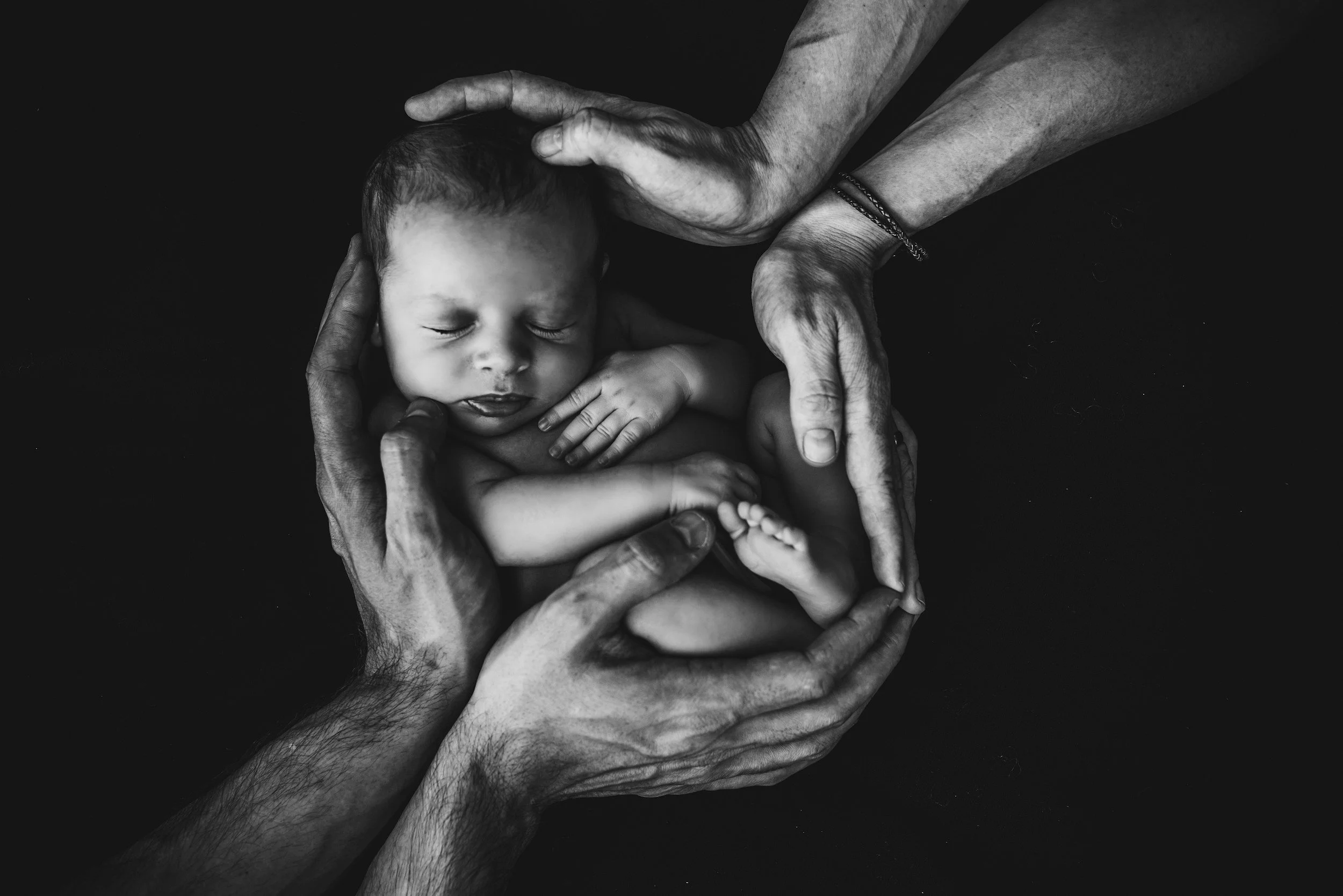
Imagine Child Protection was a person. They arrive in Manila for the Second Global Ministerial Conference on Ending Violence Against Children, carrying a familiar list of advice about how to make their work more effective.
The advice comes from people committed to improving children’s lives. Each point reflects a real priority. This list is a composite of tensions in the field, rather than a set of positions held by conference participants. Read together, though, the messages can be difficult to reconcile:
Build systems, but don’t mistake them for what prevents violence.
Scale up universal prevention. It is the solution.
Stop defining child protection by the negatives, i.e. violence, abuse and exploitation. Focus on the positive.
Child protection is everyone’s business. Stay in your lane.
Take responsibility for children’s wellbeing and development, and show results.
Child Protection reads the list carefully. The challenge is not that any of these priorities is misplaced. It is to connect them, so that focused efforts to prevent violence are supported by the systems and services that can sustain the work and respond when children need help.
The conference, taking place on 18–19 November, has a prevention-first focus. Its three “breakthrough” solutions are parent and caregiver support, safe and enabling schools, and response systems. It will also address escalating concerns, including technology-facilitated violence, violence in humanitarian and climate contexts, and the connections between violence against children and violence against women. Ministers and senior officials will meet with United Nations agencies, funders, civil society, children, young people, survivors and other leaders.
These priorities are closely connected to the work of child protection. Yet in policy and practice, violence against children can sometimes be discussed as if it were separate from child protection, and child protection systems as if they were separate from the prevention agenda.
They are not.
As an example, the UNICEF Child Protection Strategy defines child protection as the work of preventing and responding to violence, abuse, exploitation, neglect and harmful practices against all children - girls and boys - including adolescents. Violence against children is central to this purpose. Child protection systems are part of how prevention and response are organised, delivered and sustained.
That connection deserves attention as governments and partners meet in Manila to renew commitments and accelerate action.
The whole, and its parts

The conference’s focus on prevention at scale is important and timely. Parent and caregiver support, safe schools and response systems each have a contribution to make. Together, they raise a wider question: how do these priorities connect, and how do they fit within the broader work of protecting children?
Part of the challenge is fragmentation within the violence-against-children agenda. International discussion may focus on a particular form of violence, population or promising intervention. This can build expertise, evidence and political commitment. The opportunity is to connect that focused attention to other forms of harm and to the systems responsible for prevention and response. When agendas, funding and measures of success remain separate, those connections can be harder to see.
Violence against children takes many forms and occurs in different settings: physical, sexual, verbal and psychosocial violence, online and offline; violence in homes, schools and institutions; child labour, trafficking, child marriage and other harmful practices; and violence in conflict, displacement and other humanitarian or climate-related crises. Risks and appropriate responses differ, and children’s experiences do not always fit neatly into the categories through which global policy and programmes are organised.
There is also a wider question about how child protection relates to other fields and sectors. Child welfare, child rights, child development and social protection have distinct mandates and contributions. Health, education, justice and other sectors also shape children’s protection. These roles are not interchangeable, and the fields are not simply parts of one large child protection service. But when their relationship to child protection is unclear, its overall purpose, specialist functions and public responsibilities can become difficult to identify.
Different perspectives also help explain the work and what it requires. Public health can help identify patterns of violence and evidence-informed ways to prevent it. Child rights establishes obligations and principles that should guide action. Social work brings expertise in working with children and families. Systems strengthening focuses attention on the institutions, workforce, services and accountability needed to sustain prevention and response. These perspectives can reinforce one another, while still leaving questions about how responsibilities and functions fit together in practice.
The challenge, then, is both to connect focused efforts on violence to the wider child protection system and to make clear how child protection relates to other fields and sectors. This means linking initiatives to national plans, government leadership, workforce capacity, services and accountability, while clarifying how responsibilities are shared.
Imagine Child Protection looking over the conference programme. “I’m glad we’re discussing schools, parenting, digital harms and humanitarian crises,” they say. “How do we connect this specialised work to the wider system, while making clear what each part of the team is responsible for?”
Different roles, shared responsibility
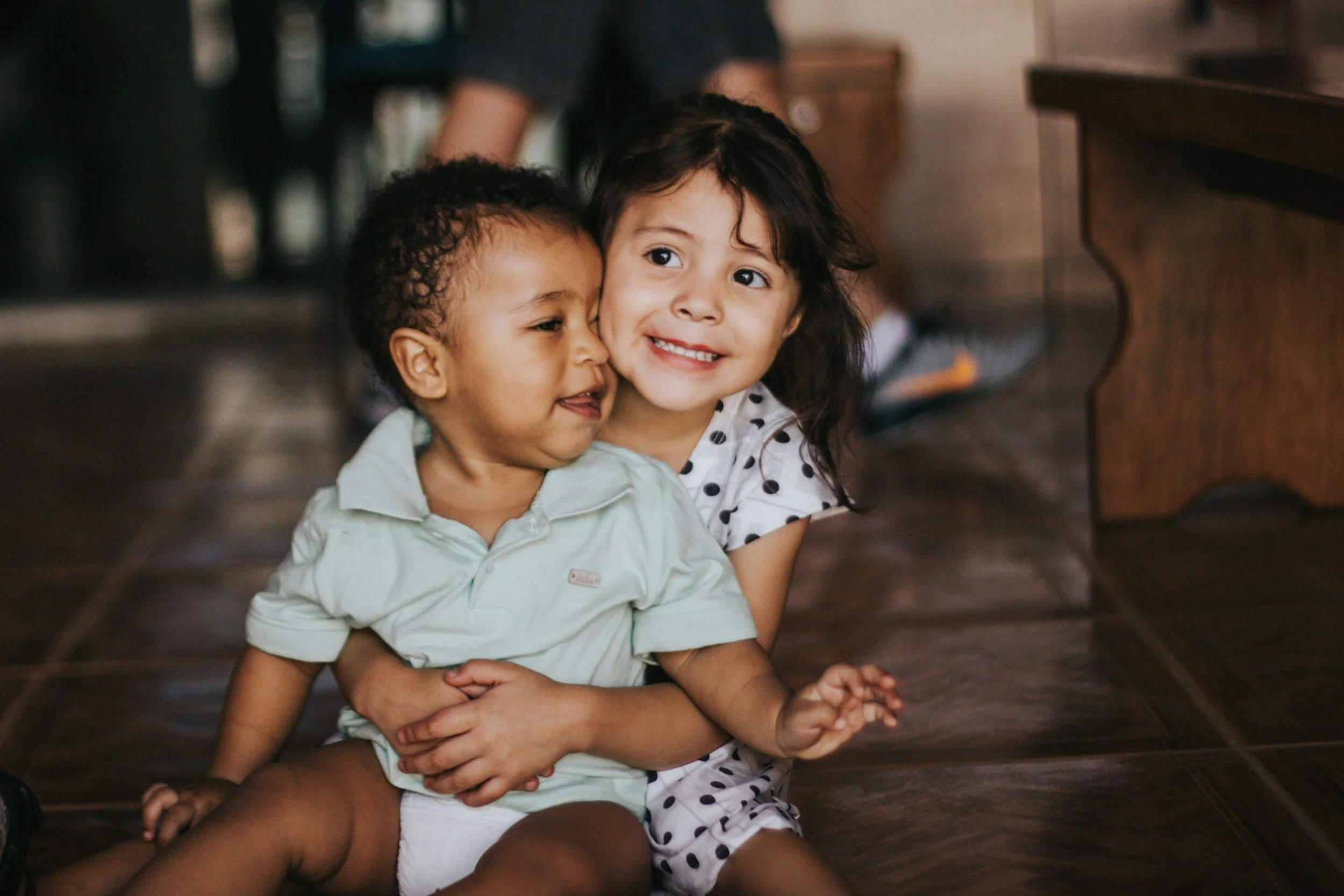
Child Protection looks around for the other members of the team. Child Rights is there, keeping the group focused on what every child is entitled to. Child Welfare is concerned with children’s safety and wellbeing, and the support children and families need. Child Development is watching how children grow and what helps them learn, develop and thrive. Social Protection has an eye on the support families need to manage poverty and vulnerability. Education and health are there too. Schools can help children feel safe and identify concerns; health services can identify harm and provide care. They all have a role in protecting children.
Families are usually a child’s first line of protection. Communities can support families and provide a wider network of care. But families and communities cannot be expected to manage every risk alone, and home or community can also be where harm occurs. When children need more help, accessible services and specialist child protection responses must be available.
Public services have distinct responsibilities when a child’s safety or care breaks down. A child may need a skilled assessment, a safety plan, case management, health care, family support, child-friendly justice or safe care. Those responses require trained people, clear authority, accessible services and ways for services to work together.
This is what “child protection is everybody’s business” should mean: different parts of society contribute to children’s protection according to their roles. It does not mean that every sector is a child protection specialist, or that responsibility can be passed around until no one is clearly accountable.
These distinctions matter because child protection contributes to children’s rights, wellbeing and development. Protection from violence, abuse, neglect and exploitation is fundamental to children’s lives. But contributing to those outcomes does not make child protection responsible for delivering all of them. Education, health, social protection, justice, families and communities shape children’s safety in different ways and have responsibilities of their own.
Why systems matter to prevention at scale

Prevention at scale means more than expanding a successful programme. Parent and caregiver support needs a workforce and services that can reach families. Safe schools need policy, capacity and sustained action within education systems. Teachers need to be able to recognise when a child may be experiencing violence, abuse, exploitation or other harm, and to know how to connect them with appropriate support. Response systems need authority, funding, skilled staff, referral pathways and coordination with health, education, justice and so on.
Some schools may have counsellors who can offer support, but schools also need effective referral pathways into child protection services. The same distinction applies in health care: a hospital can treat a child’s injuries, provide immediate care and identify protection concerns, but it cannot replace the specialist assessment, case management and wider protection response that may be needed.
These roles become part of a system when agencies have agreed responsibilities and procedures, know how to refer concerns, and can coordinate and follow up so children do not fall between services. A government-designated lead agency, in arrangements suited to each country, can provide overall stewardship and accountability. The system connects that leadership to the laws, financing, workforce, services, referral pathways and coordination needed for schools, health services, social protection, justice and other partners to carry out their respective functions.
The Framework for Action on Child Protection Systems describes the laws, policies, services and support needed across sectors to prevent and respond to violence, abuse, exploitation and neglect. These elements make it possible to embed promising interventions in public plans and services, connect them across settings, and sustain them when individual projects or funding streams change.
That is not to say that systems are effective simply because a law exists, a ministry has a mandate or a coordination body meets. Their value is seen in whether children and families can find help, reach it and receive an appropriate response, and whether action can be improved when it falls short. The HDPI Phase I report, Conversations: Insights on the Global Child Protection and Care Crisis, and the Phase II report, Strengthening Child Protection and Care Systems: Findings and Insights from a 27-Country Evidence Review, point to the same test. Participants in the Phase I conversations described fragmentation through families’ experiences of confusion, inconsistent support and, at times, no help. The Phase II review found that formal structures do not necessarily translate into reliable, equitable services at local level.
In my paper, “Framing child protection systems: Toward a normative framework and operational definition for policy and practice”, I argue that child protection systems are less clearly defined than sectors such as health or education. This lack of clarity can weaken policy coherence, financing and accountability. A clearer framework can help describe both the principles that should guide a system and the functions it needs to perform. But definition is only a starting point. Systems also need political commitment, financing and capacity to work for children.
This is one of the sector’s unresolved challenges. It has worked to move beyond fragmented projects towards national systems and public responsibility, while still needing to make the systems case compelling to donors and partners. Part of that work is showing how system capacity connects to results for children. When the discussion centres on structures and technical language, without explaining what changes in children’s lives, the approach can seem remote from the outcomes it is meant to support.
There is a related risk in the way funding and advocacy follow specific issues. Dedicated attention can help a concern gain visibility and attract resources, but those investments do not automatically strengthen the wider system. The opportunity is to connect initiatives around particular forms of violence to national plans, financing, data, accountability, workforce capacity and services, so that focused investment also strengthens the wider system.
Frameworks such as INSPIRE offer evidence-informed strategies for preventing and responding to violence, including parent and caregiver support, response services, and multisectoral action. Their contribution is strongest when these strategies connect to the institutions, workforce and services responsible for delivering and sustaining them.
Progress can be judged in connected ways. Are children experiencing violence able to reach timely, skilled support? Is the risk of harm, recurrence or escalation being reduced? Are services becoming more capable and accessible? Is the system learning where its response is failing?
These measures will not move in lockstep. Prevention may reach more families while some children cannot access specialist services. A workforce may become more skilled while remaining too small. A system may improve in one area while serious gaps persist in another. Monitoring and learning should help show where progress is happening, where it is not, and what needs to change.
A shared commitment
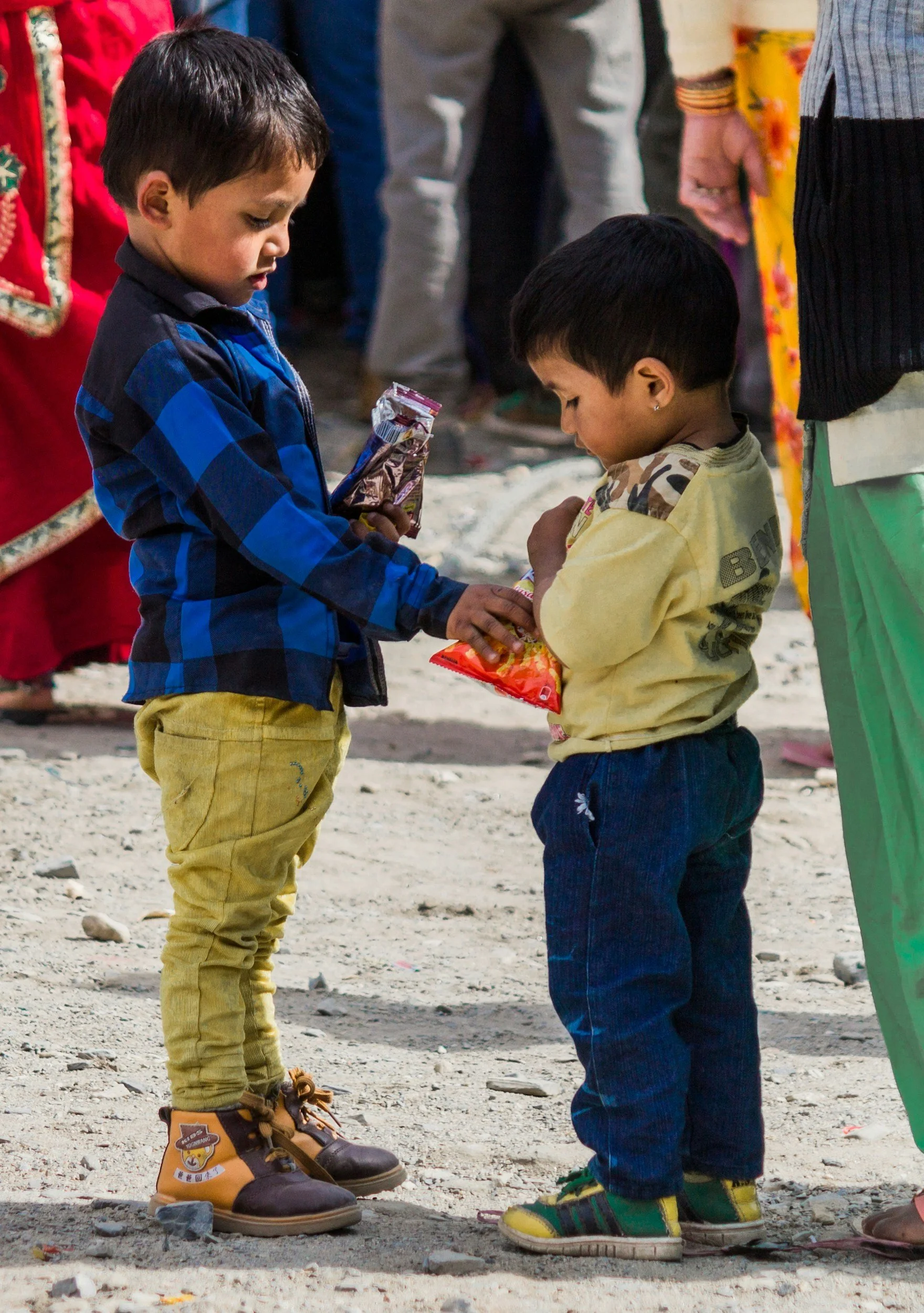
Child Protection reviews the list again. Prevention, a positive vision, collaboration across sectors and evidence of results are all important. The task is to connect them, and to be clear about the responsibilities and capacities each requires.
A coherent approach would recognise that:
Violence against children is central to child protection, not a separate agenda.
Prevention at scale depends on systems that connect interventions, services and public responsibilities.
Families provide children’s first line of protection and care; communities can support them; accessible services must be there when more is needed.
Other sectors contribute according to their mandates, while specialist child protection functions and accountability remain clear.
Progress includes both changes in children’s safety and access to effective support, and the capacity of systems to sustain and improve that work.
The conference offers a timely opportunity to renew commitments, strengthen pledges and accelerate action. By bringing prevention, response systems and emerging threats together, it can help participants connect effective interventions with the services, workforce and public systems needed to sustain them. These connections can strengthen child protection systems, clarify how different sectors contribute and support a more reliable response for children.
For readers who have not seen it, Sheema Sen Gupta, Director of Child Protection and Migration at UNICEF, makes a timely case in “Ending Violence Against Children: From Commitment to Reality” for realistic, evidence-based progress while retaining the ambition to end violence. She highlights the need to strengthen systems and the workforce alongside prevention.
Acknowledgements

This blog has benefited from rich discussions within the Child Protection Working Group of HDPI, Inc (humanitarian development partners initiative)—a global think tank and network committed to advancing child protection, care and broader humanitarian objectives. The views expressed are solely those of the author and do not reflect the position of any institution or organisation.
I utilised OpenAI’s ChatGPT to assist in organising the research and drafting portions of this blog post. Any errors or omissions are entirely my responsibility.